Mindfulness and Meditation in San Antonio Addiction Treatment Programs
Recovery carry on the smallest systems of focus. Anybody that has watched a craving crest and autumn in less than 3 minutes, or has actually rested with a client through the very first quiet hour after detoxification, recognizes how much the mind's stance matters. In San Antonio, programs that blend evidence-based therapies with mindfulness and meditation are using individuals a practical method to ride out prompts, work with pain, and rebuild day-to-day rhythm. It is not a silver bullet. It is a skill set that, when shown well and paired with the best medical supports, can alter how an individual relates to stress, memory, and repeat triggers.
What mindfulness contributes to addiction care
Mindfulness, at its easiest, is the technique of focusing on the present minute with interest and without quick judgment. Meditation is the training school that sustains this, whether that looks like counting breaths for 10 minutes, a sluggish body check before bed, or a strolling technique around the block. In addiction treatment, this matters because very early recovery frequently seems like a bar fight in between impulses and rules. Mindfulness interrupts that reflexive swing. It educates people to discover the stimulate before it comes to be a flame.
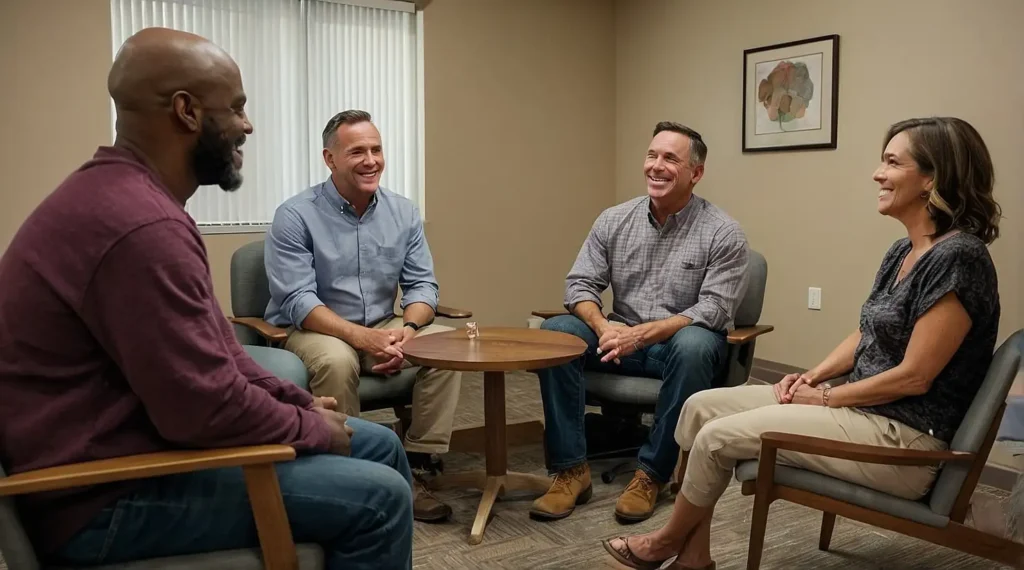
Clinically, mindfulness-based treatments do not replace core elements like drug for opioid usage problem, cognitive behavioral therapy, or contingency administration. They https://privatebin.net/?a753a181fe30393a#H1mmCQkRbTqKV4uMB4SZEfQvrsg7insayhEgNBuNzYkQ fit alongside them. Programs that make use of these methods well tend to mount mindfulness as a recuperation device with 3 jobs. First, aid customers identify desire and conditioned signs prior to automated use. Second, help them endure pain, whether that is anxiousness in a congested supermarket or pain in the back at 2 a.m. Third, assist them grow a steadier baseline to make sure that sleep, cravings, and mood start to normalize.
A valuable way to clarify this to clients is useful. We are not trying to make you calm. We are educating you to drive your very own worried system.
The San Antonio context
Geography and society shape treatment. In San Antonio, summer season warmth, lengthy commutes, and large family members systems all turn up in session. The city also has a big professional populace, a solid mix of Hispanic and Anglo societies, and several faith neighborhoods. These variables affect how mindfulness is received and exactly how it needs to be taught.
A therapist that has actually serviced the South Side for years put it by doing this. If you frame meditation as sitting cross-legged in silence, half the room checks out. If you frame it as educating your focus so you can hold your ground at a quinceañera with alcohol consumption at every table, people lean in. Programs that do well below talk both medically and culturally. They provide Spanish-language groups, welcome conversation concerning faith and prayer, and are specific that mindfulness is a mental ability, not a religious beliefs. They likewise set up around work shifts, heat, and childcare realities.
Funding streams matter also. Team treatment stays the backbone of lots of regional programs because it is billable and effective. Mindfulness can live inside those groups, under a psychotherapy umbrella, without asking insurance firms to recognize a different solution. Private centers may include yoga or tai chi. Publicly moneyed sites often tend to incorporate brief, repeatable methods into basic team curricula. Both approaches work when personnel correspond and the methods are brought back, not used when and forgotten.
How programs integrate mindfulness on the ground
You can typically tell within the first week whether mindfulness is woven right into a program or added as a novelty. In a solid configuration, mindfulness shows up basically methods, in team motifs, and in one-to-one sessions where desires and signs obtain unpacked. A normal outpatient day in San Antonio may look like this. 5 minutes of guided breathing at the start of team, a 10 minute body check after a hefty processing session, and a short debrief where each person names one sign they observed and one feedback they will try this week. Private sessions then utilize that very same language to rehearse specific scenarios, like driving past an old bar heading to work or getting a text from a tough relative.
For greater acuity customers, like those in partial a hospital stay programs or detox, practices obtain shorter and extra organized. Two minute support methods are much safer when a person is rest robbed, sweaty, and tense. Team avoid extended periods of silence when injury signs and symptoms are high, and they teach eyes-open choices like soft concentrate on an area on the wall surface, or a paced strolling meditation in a hallway. If discomfort is active, a focus on breath or noise frequently beats a complete body check, which can prompt disappointment or numbness.
The training voice matters. Customers review sincerity. A counselor that practices what they teach, also five minutes a day prior to morning meal, will certainly sound various. They will fix toward manageable. Take one breath in between steps, not 20 minutes at dawn. The most resilient techniques match a smoke break, a checkout line, or both minutes before a Zoom meeting.
Here is a small starter established numerous San Antonio programs show in very early weeks.

- Three by three breathing. Three breaths, 3 times a day. Count 4 in, hold for one, 6 out. Phone suggestions help.
- Name and notification. When a hint hits, state quietly, desire is below. Location a hand on your upper body, really feel the contact, and track the following three mins without approaching or far from the urge.
- Sensory reset. Choose one feeling. For hearing, recognize 5 distinctive audios. For touch, feel your feet, after that the chair, after that the air on your skin.
- One mindful minute throughout meals. Very first bite only. Reduce enough to discover texture, temperature, and 2 flavors.
- Walk the length of a parking area paying attention to left foot, best foot. If you shed the string, reboot at the following row.
Clients develop confidence when they can feel a technique working in real time. When an individual reports, I made it through H‑E‑B without getting hold of beer because I did the five audios thing in aisle twelve, they are not talking about viewpoint. They are speaking about an experienced reaction competing with an old habit.
Evidence and its limits
The study on mindfulness in addiction is encouraging but not attire. Meta-analytic job across materials shows little to moderate enhancements in yearning, stress and anxiety, and adverse affect contrasted to therapy customarily. Mindfulness-based relapse avoidance, a 8 session curriculum developed for compound use, tends to decrease heavy drinking days and lengthen time to very first lapse over numerous months. In some researches, urge strength visit roughly 20 to 30 percent after quick breathing or body scan workouts. These numbers change by population and by whether the individual is also obtaining drug for opioid or alcohol utilize disorder.
When the approaches are adapted for injury, people often report better rest and less startle reactions within a few weeks. Amongst persistent pain people with co-occurring compound usage, mindfulness can lower discomfort disturbance a lot more accurately than pain intensity itself, which may still change. On the other side, mindfulness alone hardly ever moves the needle on social components like real estate, legal tension, or employment. Programs have to keep assumptions truthful. Mindfulness trains attention and self-regulation. It does not take care of architectural barriers.
A vignette from local practice
Consider a composite case that pulls from numerous customers. Late thirties, Army veteran, 2 fight scenic tours. He consumes hard three nights a week, after that tries to white knuckle 4 days dry. His spouse is weary and terrified. He sleeps five hours on a good evening and wakes at 4 a.m. Sweating. He has actually attempted outpatient twice, constantly diminishes around week three.
In group, he looks hesitant when the counselor recommends a body check. The room is intense, the a/c hums, a person coughings. He tenses at words loosen up. The counselor shifts. Let's try 3 breaths with eyes open. 4 in, one hold, 6 out. The male rolls his eyes and does it anyway. After the 3rd round his shoulders drop half an inch. He notices. The therapist does not push. That mid-day in individual session they map his worst hour, 7 to 8 p.m., when dinner is over and your home silences. Together they set up a regular for that slot. Three by 3 breathing prior to he opens the fridge, a fast stroll around the block counting steps, and if the pull is strong, call the group line and claim yearning goes to a seven. Over 2 weeks, his partner sees that he is still stressful at night, but he pauses. Two times he puts a beer and after that sits long enough that need dips. He dumps it, not whenever, yet an increasing number of. He later claims the largest surprise was uncovering the crest and loss. I thought it would certainly get worse if I waited. I did not know there was a leading to it.
This type of adjustment is not dramatic, and it stacks. Combine it with medicine for alcohol usage condition, much better rest hygiene, and a Sunday meeting he in fact suches as, and the numbers include up.
Trauma, confidence, and social fit
Spiritual language goes through San Antonio, and numerous customers currently hope. Programs do well when they respect that and highlight the overlap without obscuring lines. Petition can be a kind of concentrated attention. Reflection can be a quiet in which prayer lands. Some clients prefer a gratitude practice that names three specific things each evening. Others desire a Psalm or a short petition said slowly, synced with breath. The point is option. Prevent imposing any framework that disputes with a person's beliefs. Offer nonreligious and faith-congruent variations, and allow the client lead.
Trauma needs pacing. A lengthy body scan can flooding someone that dissociates or that shops stressful memory in the body. In those instances, start with external anchors. Open-eyed methods. Sound or view prior to breath. Short methods complied with by a check in, How did that land, keeps individuals risk-free. Personnel ought to be clear that the objective is not to dredge up memory but to construct resistance for the present.
Language accessibility issues. San Antonio programs that run multilingual groups or deal Spanish initial materials reach even more family members. Mindfulness directions equate well, yet idioms require care. Rather than let it go, which can seem prideful in Spanish, try déjalo estar, which leans toward let it be, or explain the ability straight, notar wrong juzgar, notification without judging.
Measuring what matters
Programs that maintain mindfulness alive procedure it. Not in abstract terms, but with simple, repeatable metrics.
- Craving rankings connected to details hints. Story desire strength before and after a two min practice over numerous weeks.
- Attendance and engagement in short techniques during group. Five minutes at the beginning and end can be logged like any kind of various other intervention.
- Sleep windows. Track bedtime, wake time, and the length of time it takes to sleep. If a 5 minute body check shortens sleep start by 10 to 15 mins, clients feel that win.
- High danger moments mapped and rehearsed. Record the strategy and the client's record of just how it went.
- Substance usage days and time to first lapse, which are standard end results, however accumulated with context regarding which practices were used.
Data is not a hammer. It is a mirror. When clients can see that their 8 p.m. Cravings dropped from 8 to 5 over 9 days, they are more likely to maintain exercising. When no modification appears, the team readjusts. Maybe breath focus spikes panic for this customer and requires to be swapped for a sound-based support. Possibly mornings work far better than evenings.
Training team and keeping integrity realistic
Mindfulness spreads person to person. Programs that want to do this well spend a little in team training and a lot in consistency. You do not require a room packed with full time meditation educators. You require medical professionals who can teach five to 10 min methods properly, who understand common challenges, and that can adjust for injury. Brief workshops, peer observation, and supervision that evaluates a documented five minute technique are commonly adequate to construct a shared baseline. Generate a seasoned educator every three months for refresher courses. Develop a tiny collection of manuscripts and recordings that fit your populace, in English and Spanish.
Fidelity stays in framework. Choose where techniques land in the routine and maintain them there. Open up team with breath work, close with a short check in. Teach one new method weekly and spiral back to earlier ones. Document which skill was educated and utilized. A common vocabulary aids. When a customer says I did the 5 noises at H‑E‑B, the night personnel recognizes exactly what that means.
Obstacles that show up, and what to do about them
Some customers hear reflection and believe religion, others assume dullness, still others believe failing because their mind will certainly not quit competing. Name those responses in the area. Make the bar low. You will get distracted. That does not mean you did it incorrect. It means you are practicing. Provide choices for stance. Sitting upright on a chair is fine. Eyes open or shut, as much as you. Offer sluggish activity for individuals that can not rest pleasantly. For ADHD, educate shorter methods extra often. For persistent discomfort, sign gentle understanding around the pain as opposed to inside it, or offer a breath-led technique that does not poke the wound.
Tech helps a little and injures a little. Applications can offer framework and pointers, however some customers end up scrolling. In team, simple is much better. A cooking area timer, a consistent voice, and a notebook to track what works move things forward.
Families as allies
Recovery does not happen in a vacuum cleaner, and households in San Antonio frequently live close and share day-to-day rhythms. When loved ones recognize just how to react to anxiety or cravings without rising the moment, regression threat declines. Below are little, actionable assistances that family members can find out and use.
- Pause before issue resolving. One shared breath with each other, count in for 4, out for 6, after that talk.
- Reflect, do not take care of. I hear that your desire is a seven, and you are strolling the block. I am right here if you desire me to join.
- Set a quiet hour. After supper, no heated subjects. Maintain that space for sleep regimens and light conversation.
- Protect the practice home window. If your enjoyed one does a body check prior to bed, deal with that as medication time.
- Reduce sign load in your home. Relocate alcohol unseen, adjustment night television behaviors if specific shows hint use.
Families typically need their own version of mindfulness to take care of the spin of early recovery. An easy check in, What am I really feeling in my body, what tale am I informing, what do I require today, keeps resentment from calcifying.
What to ask when choosing a program in San Antonio
If you are assessing addiction treatment in San Antonio and desire mindfulness to be component of the treatment, ask sharp questions. Just how frequently do you instruct mindfulness techniques, and where in the timetable do they live. Do you adapt techniques for injury and persistent pain. Do groups offer Spanish-language instruction when needed. Exactly how do you incorporate mindfulness with drug therapy or cognitive behavior job. Can you share exactly how you gauge its impact for your customers. Programs that respond to plainly, without unclear guarantees, normally deliver.
Look for companions that respect the entire medical photo. If you are on buprenorphine or naltrexone, mindfulness should exist as an enhance, not a choice. If you carry a PTSD diagnosis, the group must be ready to tailor methods and to collaborate treatment. A good program fits your life. If you care for children, ask about childcare or remote choices. If you work outdoors in the heat, request for early morning group times or cooling down accommodations.
You will certainly find a variety of choices across Addiction treatment Texas, from hospital-based intensive programs to smaller sized outpatient centers. Tags vary online. Some directory sites utilize terms like addiction treatment, addiction treatment in San Antonio, and even the less natural Addiction treatment texas. Disregard the capitalization and concentrate on the program's clearness about services and methods.
A functional regular individuals actually keep
When a customer ends up a 1 month program and go back to work, they require a routine that fits around traffic on Loophole 410 and the cost of eggs. Here is a version that has actually made it through several Monday early mornings. Get up, sit on the side of the bed, and take three sluggish breaths. In the shower, really feel water on the back of your neck for ten seconds. While coffee mixtures, stand with feet hip size, really feel the flooring, and roll your shoulders. Prior to you leave the driveway, name three things you can see clearly. At lunch, eat the first bite with focus and examine your yearning number before and after. On the drive home, matter 5 breaths at the initial red light. After supper, take a sluggish stroll around the block, taking note of your feet. Ten minutes before bed, play an assisted body scan or count your breaths to 100. If you shed track at 27, begin once more, then finish when you get to 60 or when your eyes obtain heavy.
It is normal to skip days. It is additionally normal for these small supports to be the only silent minutes available. Recovery builds around what an individual will do, not what they plan. Short, repeatable practices win.
Where programs go next
The next chapter for mindfulness in San Antonio treatment is not regarding unique add. It is about depth and gain access to. Much more multilingual offerings. Much better trauma adjustments. Straightforward biofeedback devices so customers can see their breath sluggish and their heart rate variability modification, that makes the practice really feel concrete. Partnerships with employers to make sure that a 5 min reset is approved on a task site, similarly a water break is. Peer mentors who can state, I did my 3 breaths under the stadium lights Friday and it obtained me through.
A good program does not teach calm. It instructs people just how to hold their ground, right where they live, appropriate in the problems that made adjustment feel impossible. Mindfulness and meditation are not the whole response to addiction, and they do not require to be. In the hands of competent clinicians and determined clients, they are tools that turn 3 minutes right into a workable unit of healing. In a city improved grit and family, that is a suitable means to start.